www.japaneseacupuncturelondon.com
Practitioner: Marian Fixler
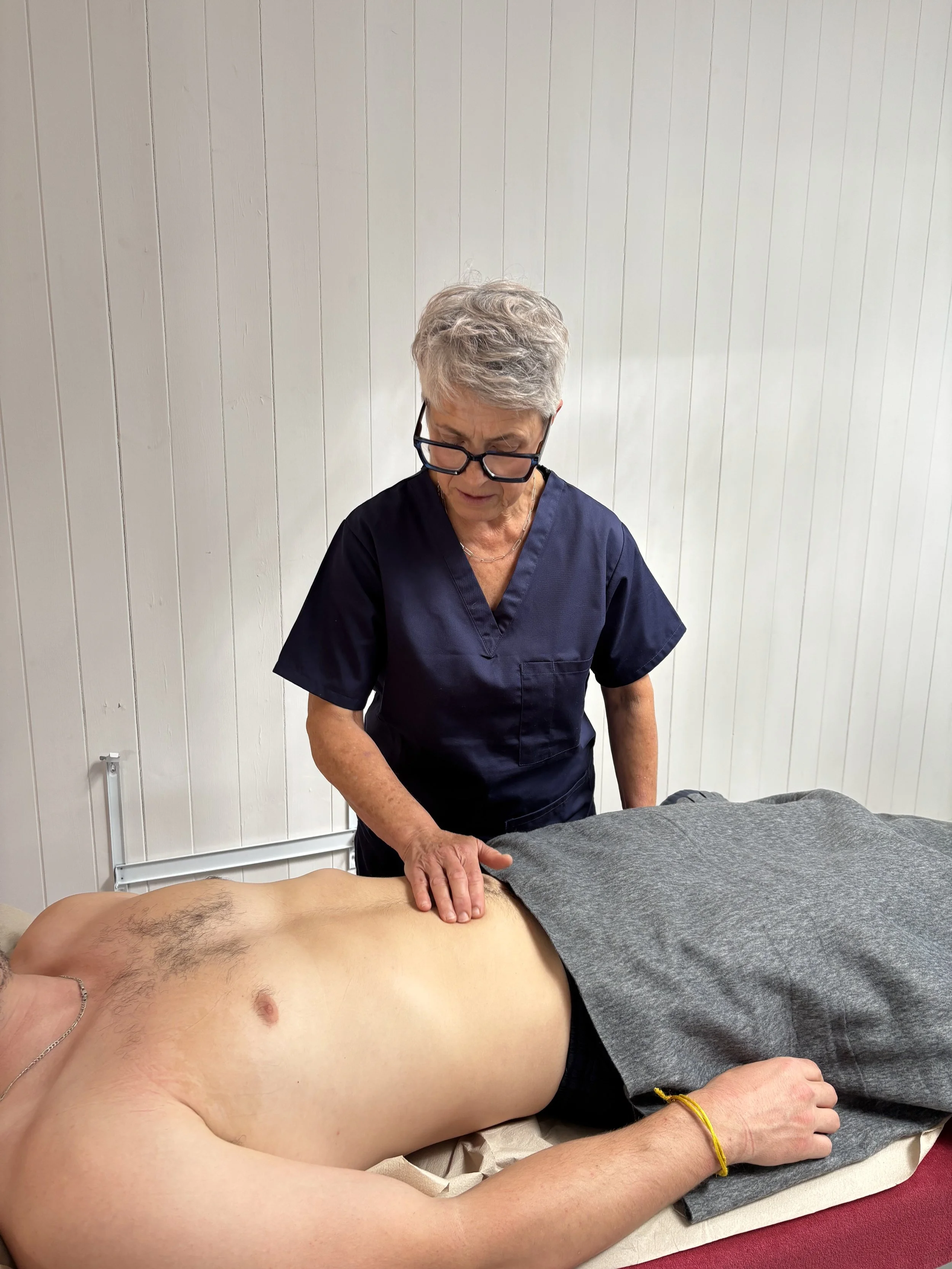
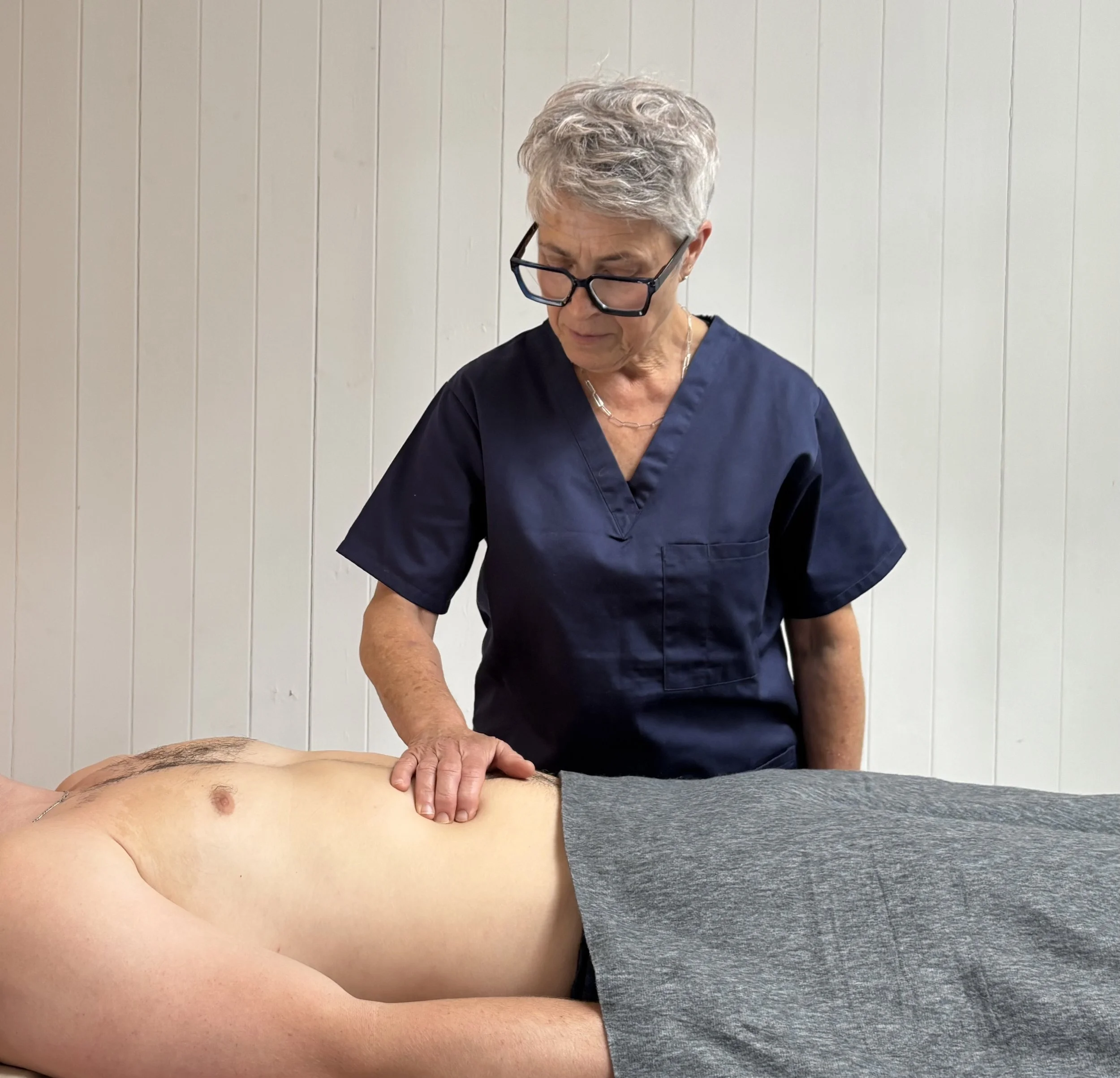
With over 35 years of experience, Marian qualified as an acupuncturist in 1991 and continue to find the profession as engaging and rewarding as ever. Her interest in East Asian medicine began while living in Japan in 1987/88, studying shiatsu, followed by further intensive clinical training at a teaching hospital in Nanjing, China.
Since 1998, Marian has specialised in Japanese acupuncture systems, training in the UK, the Netherlands and Japan. She is passionate about making Japanese acupuncture more widely accessible and have taught extensively as a Senior Lecturer at the University of Westminster, as well as delivering postgraduate courses in the UK and internationally.
Her clinical work spans NHS GP practices, organisations supporting people with immune-related conditions and HIV/AIDS, multidisciplinary clinics, and her own private practice, which she established in 1991. She supports couples trying to conceive, provide pregnancy care with lifestyle and nutritional guidance, and treat babies and children using Shonishin, a non-invasive Japanese technique.
She is a member of the Acupuncture Childbirth Team and previously served on its Steering Committee and have published research and articles on Japanese acupuncture, presented at British Acupuncture Council conferences and research symposia, and previously served as President of the Toyohari Association UK and as a member of the European Branch of the Toyohari Association.
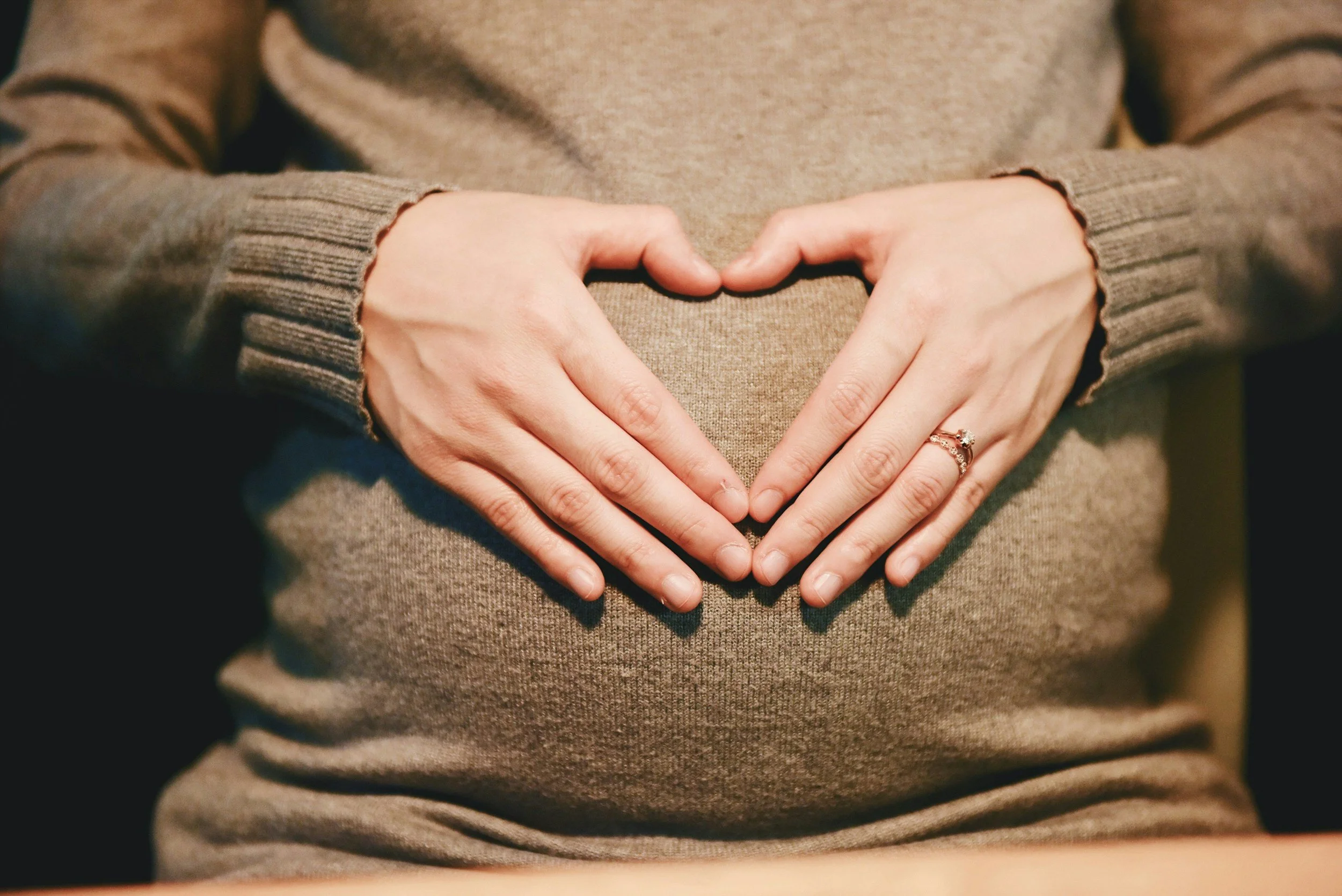
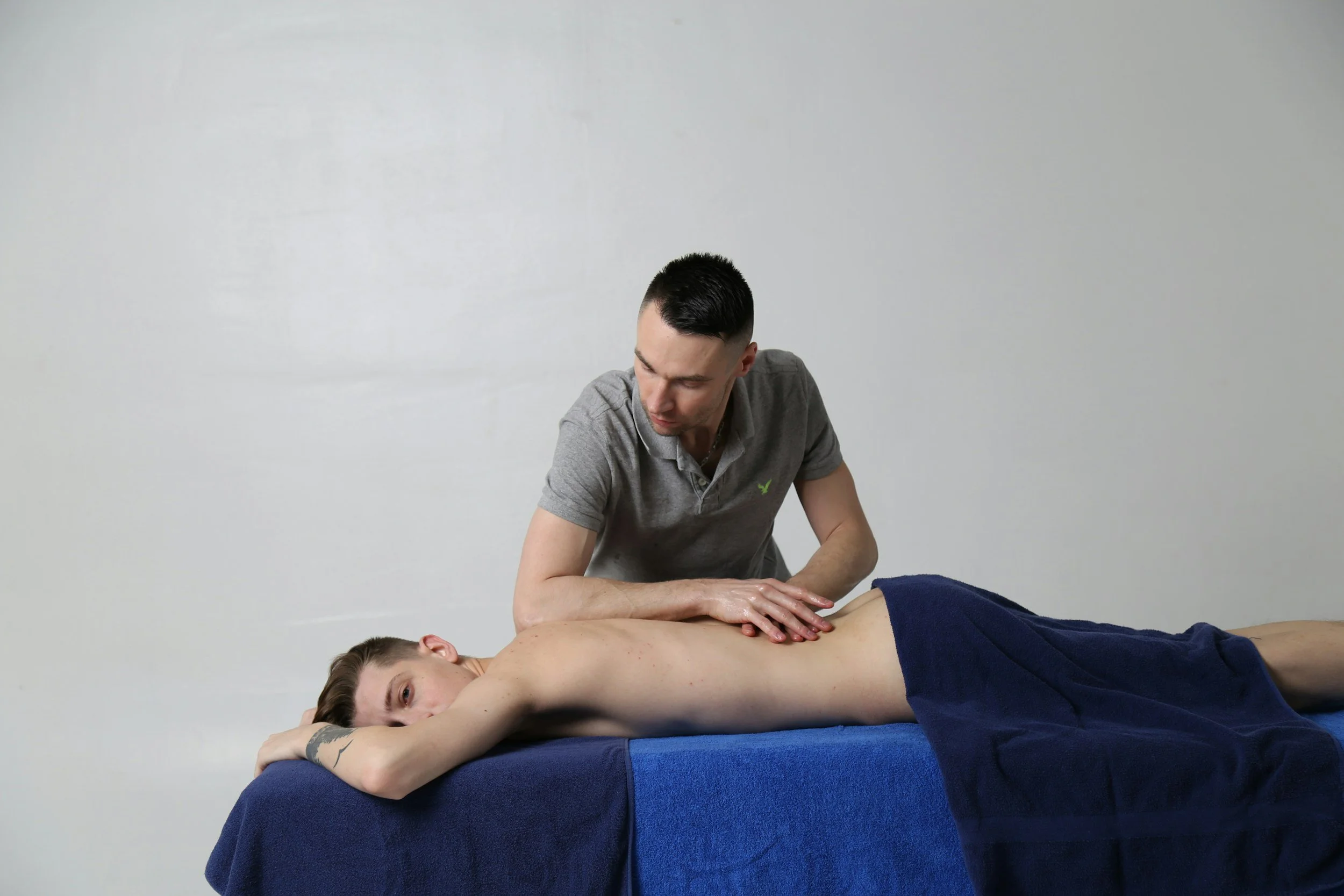
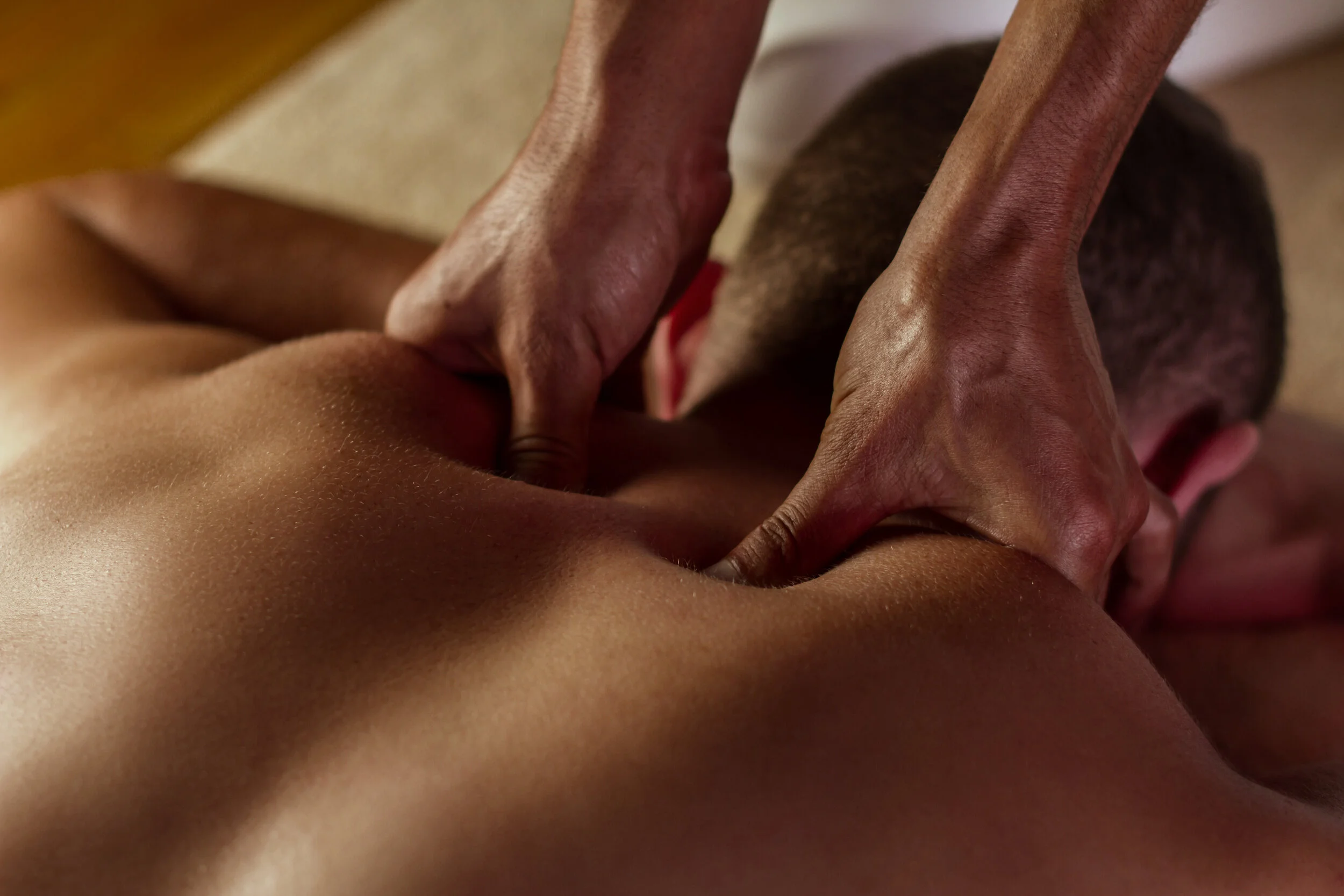
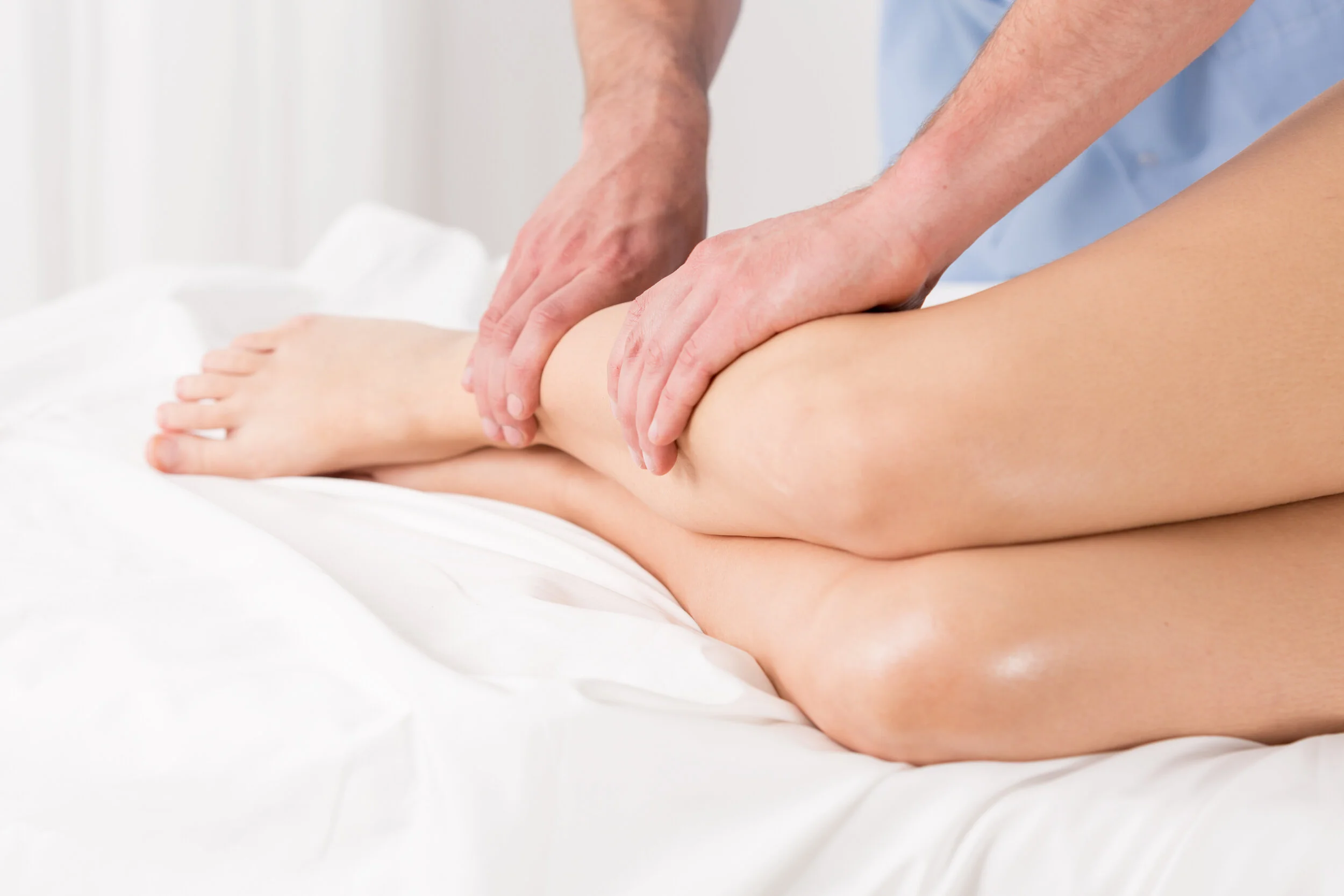
Regular massage during pregnancy has been shown to help reduce back and pelvic discomfort, improve sleep quality, ease swelling in the limbs, support circulation, and promote a calmer emotional state. As the body adapts to the many changes of pregnancy, massage offers both physical relief and valuable time to slow down, reconnect, and restore balance.
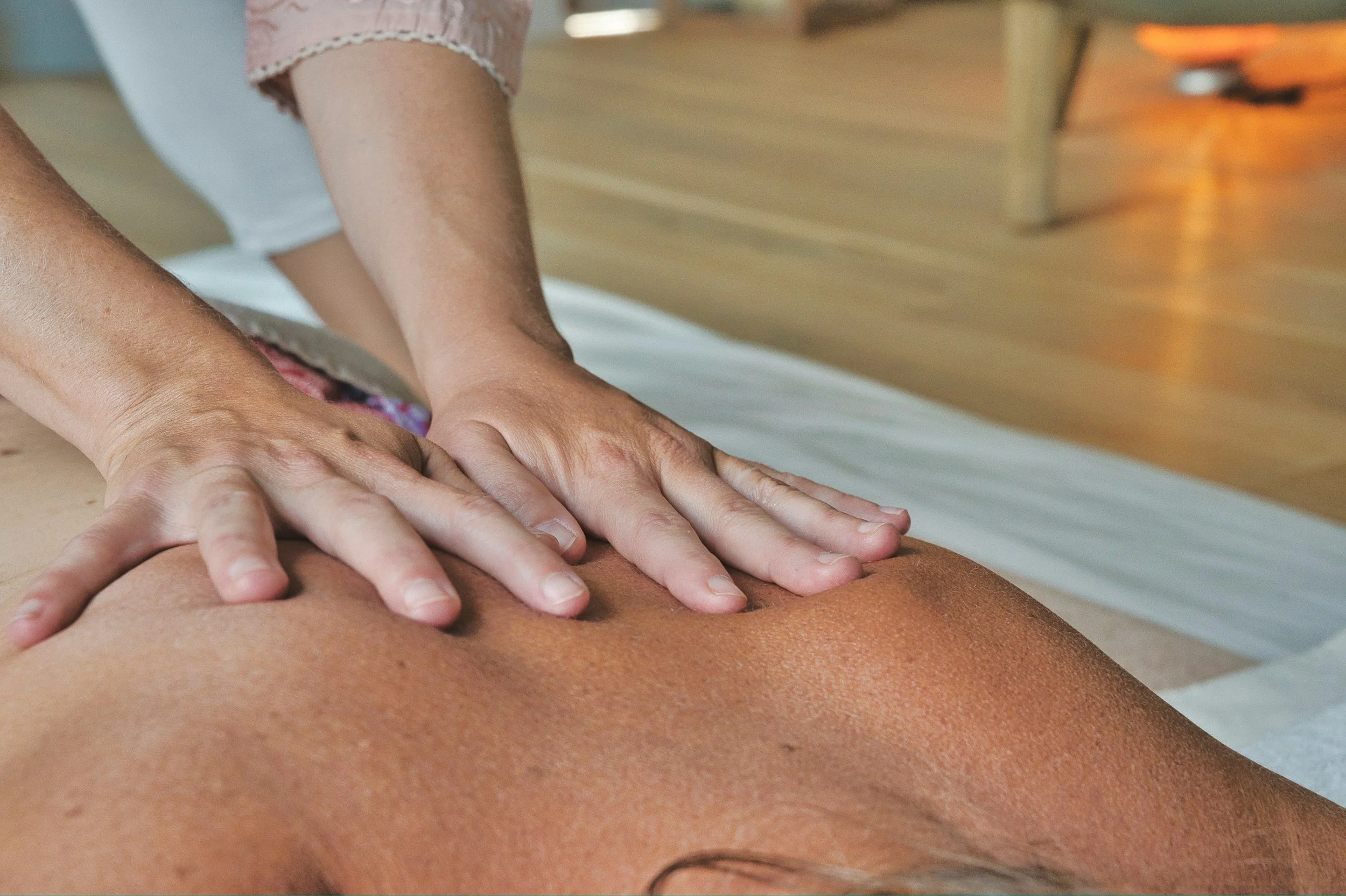
Tuina is a very important component of Chinese medicine alongside acupuncture and herbal prescription. However, Tuina can be a complete healing system in itself as not only does it work on muscle groups, joints, sites of pain and poor circulation, but it works the same meridians and points used in acupuncture and employs the same basic theory as Traditional Chinese Medicine (TCM): "Injury or disease causes blockages in the channels of the body. Blockages cause pain."
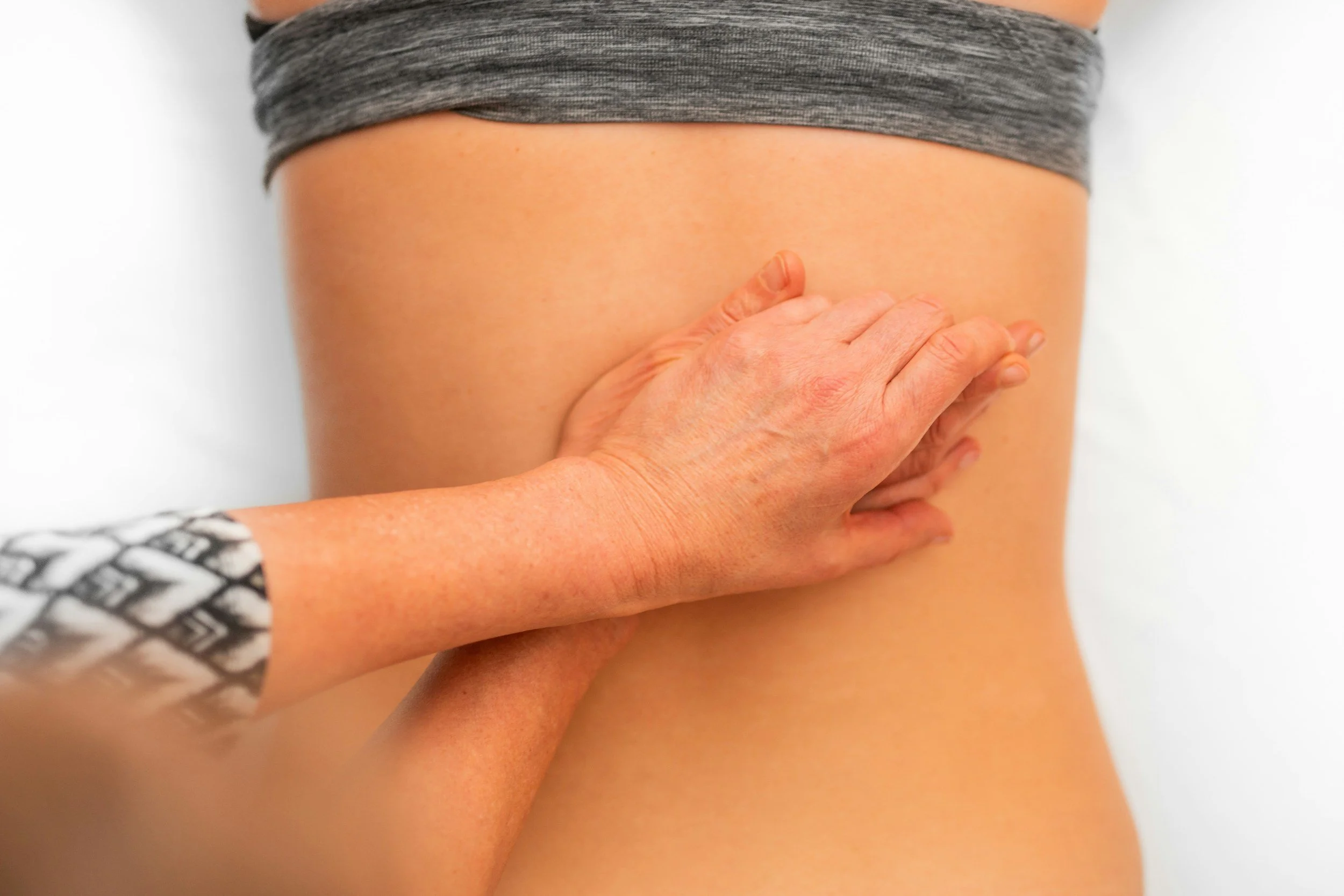
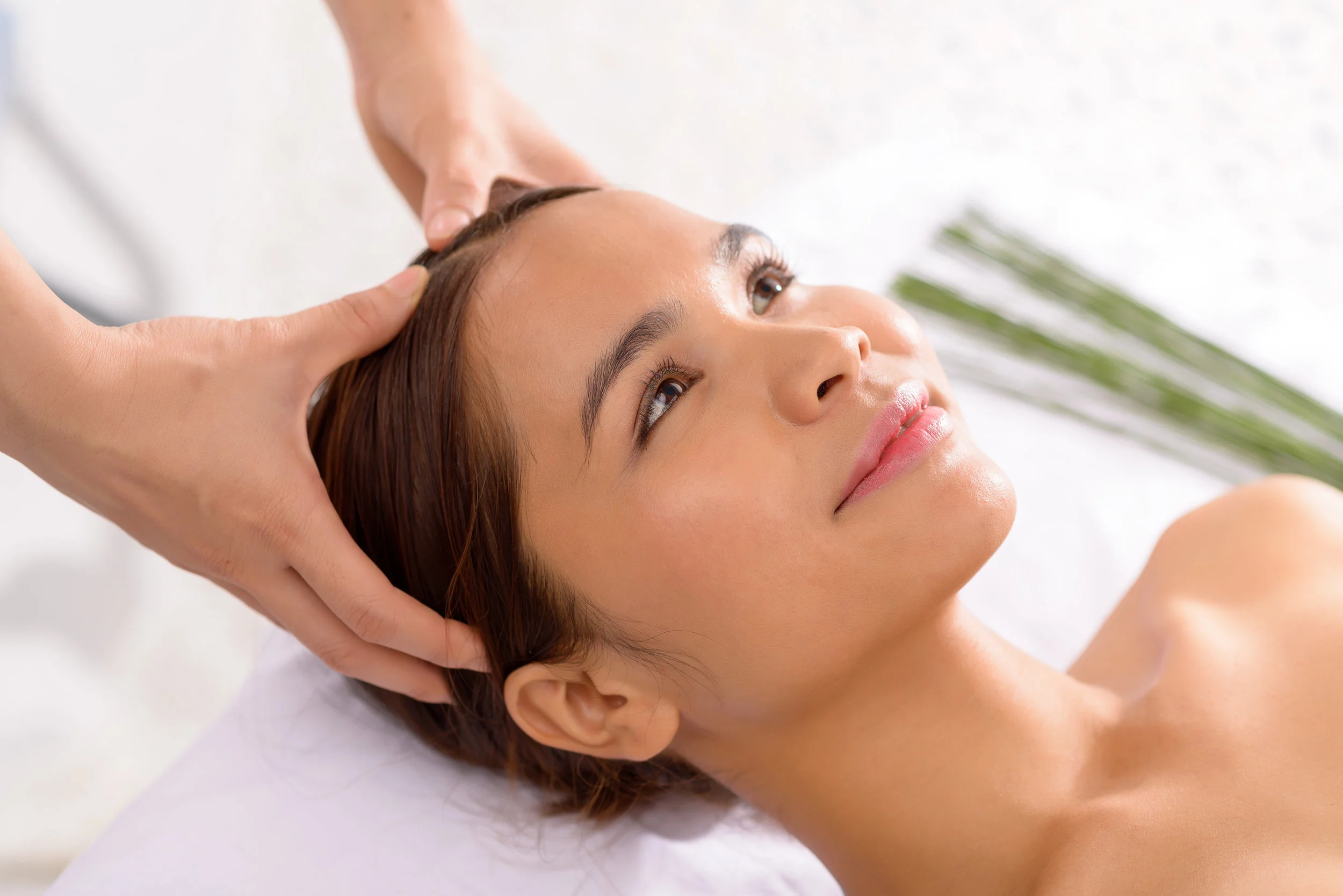
The Bowen Technique is a gentle, hands-on therapy that uses precise rolling movements over muscles, fascia, and connective tissue to encourage the body to rebalance, repair, and reset itself. Rather than forcing change through pressure or manipulation, Bowen works by stimulating the nervous system and supporting the body’s natural self-regulation processes.
Different forms of bare footed massage are performed all over the world and have been practised for thousands of years. “Ashi” means foot and “atsu” means pressure in Japanese. Ashiatsu has its origins in India where bare footed technique is called Chavutti Thirummal. In USA Ashiatsu has become very popular thanks to R. Hardee, who westernised this treatment and adopted it for use on a traditional massage table and with the help of overhead bars.
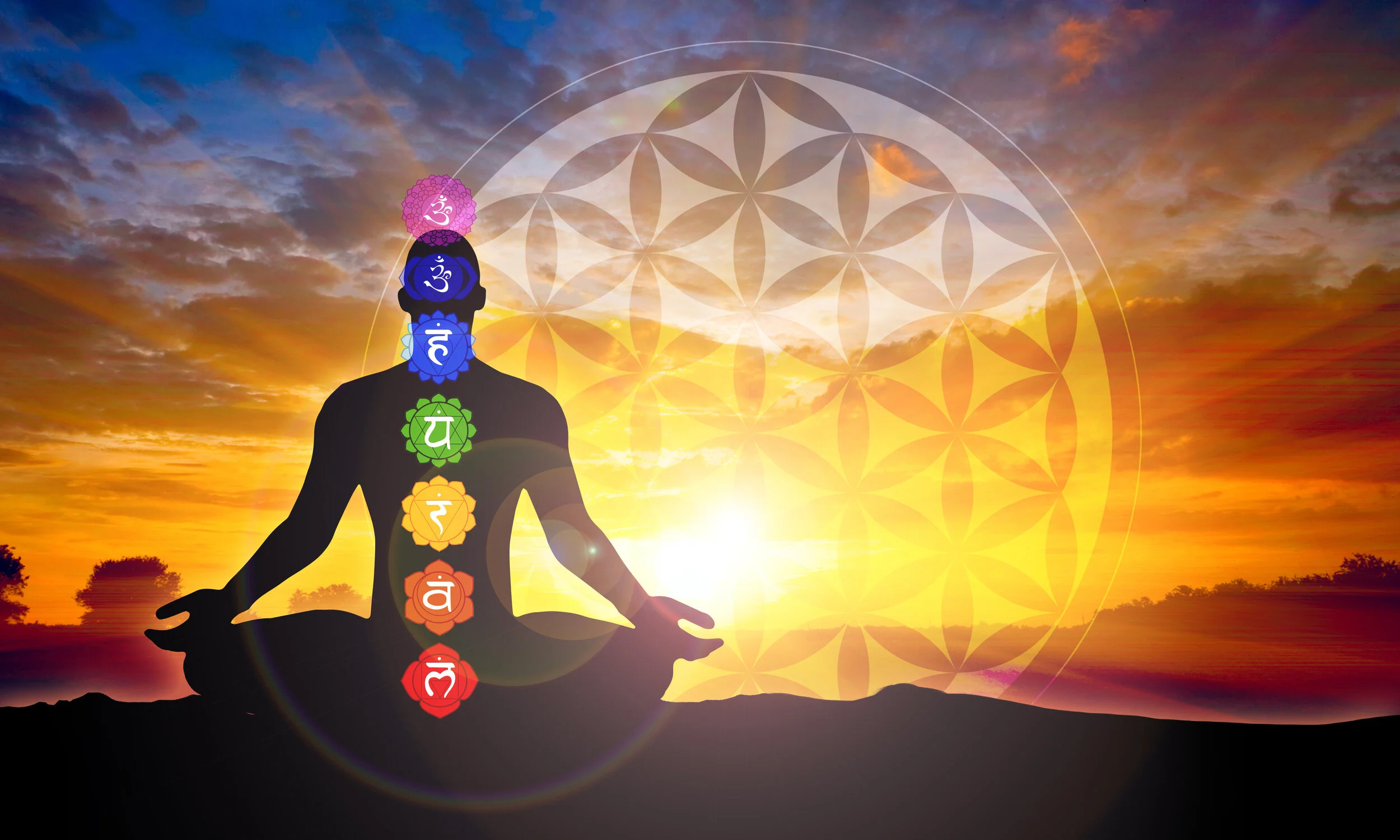
Kinesiology is a complementary health energy therapy for stress. It uses muscle testing, acupressure, essential oils, flower remedies and positive psychological affirmations. Allergy testing will often be done during the session or as a separate session. It connects with the inner body intelligence that is held in the heart, mind and higher self.
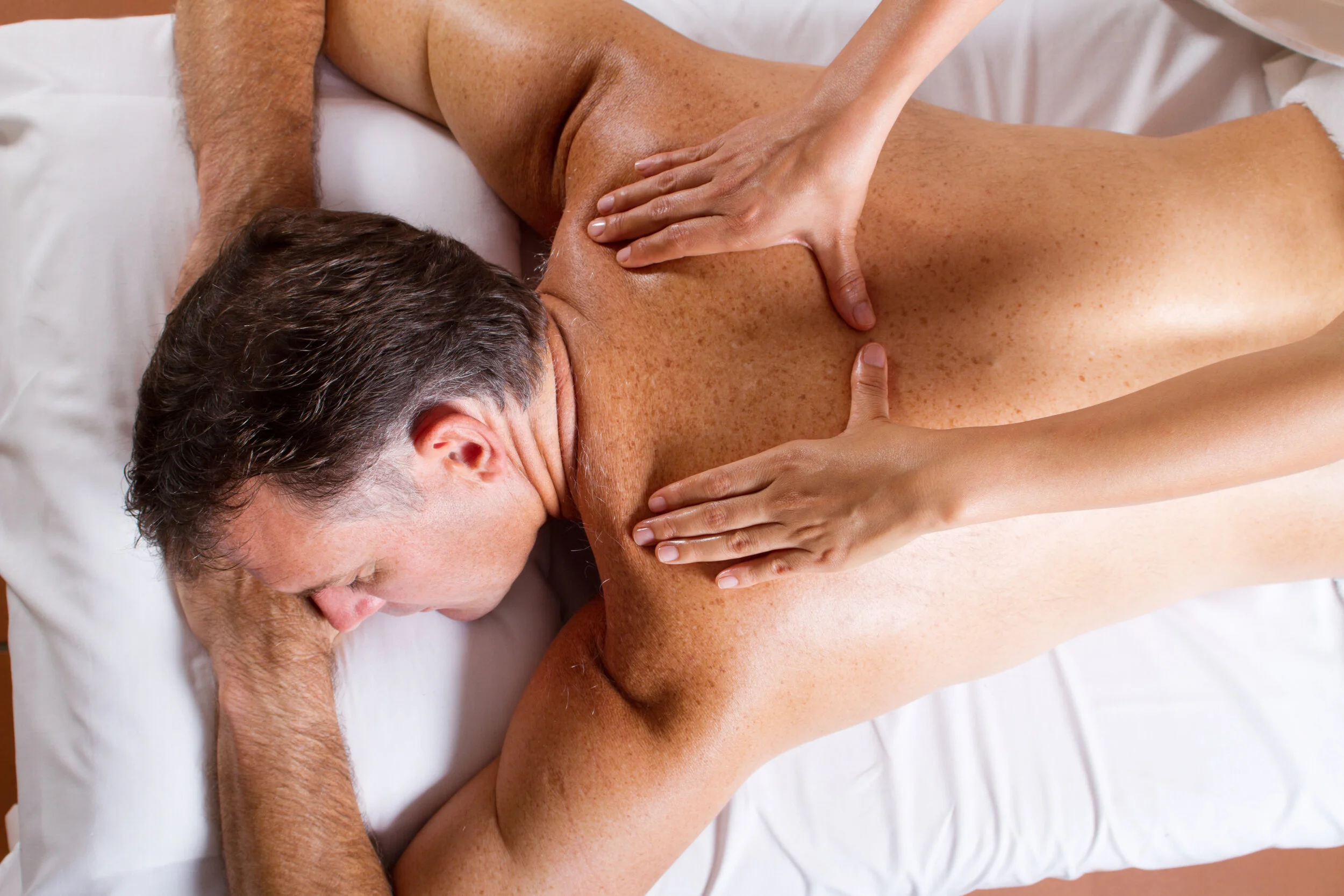
Massage is probably the oldest method of healing, with Hippocrates referencing it in one of his medical texts. Archaeological evidence of the practice of massage has also been found in many ancient civilisations such as China, India, Egypt, Roma and Greece.
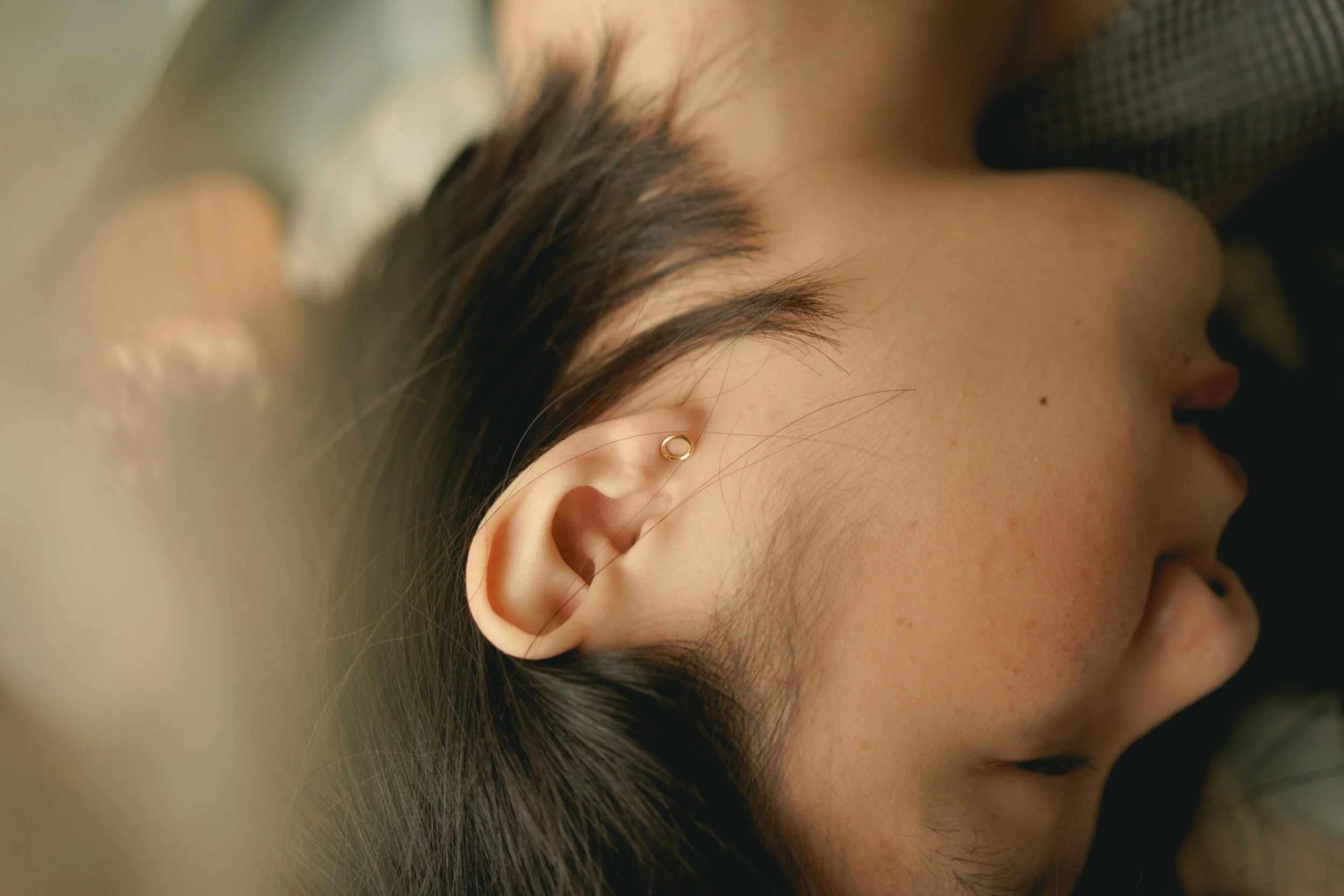
Handed down through civilisations, Hopi Ear Candling can aid in the treatment of ear related problems such as excess wax and sinus problems. Hopi ear candling is believed to have been used by the ancient Greeks. However, it is thought that it was the Native Hopi Indians from North-eastern Arizona who introduced Hopi ear candling to the West. The Hopis traditionally used Hopi ear candles as part of their healing rituals, with their use being depicted in ancient wall paintings. Hopi ear candles are made of cloth shaped into a cone and covered with beeswax.
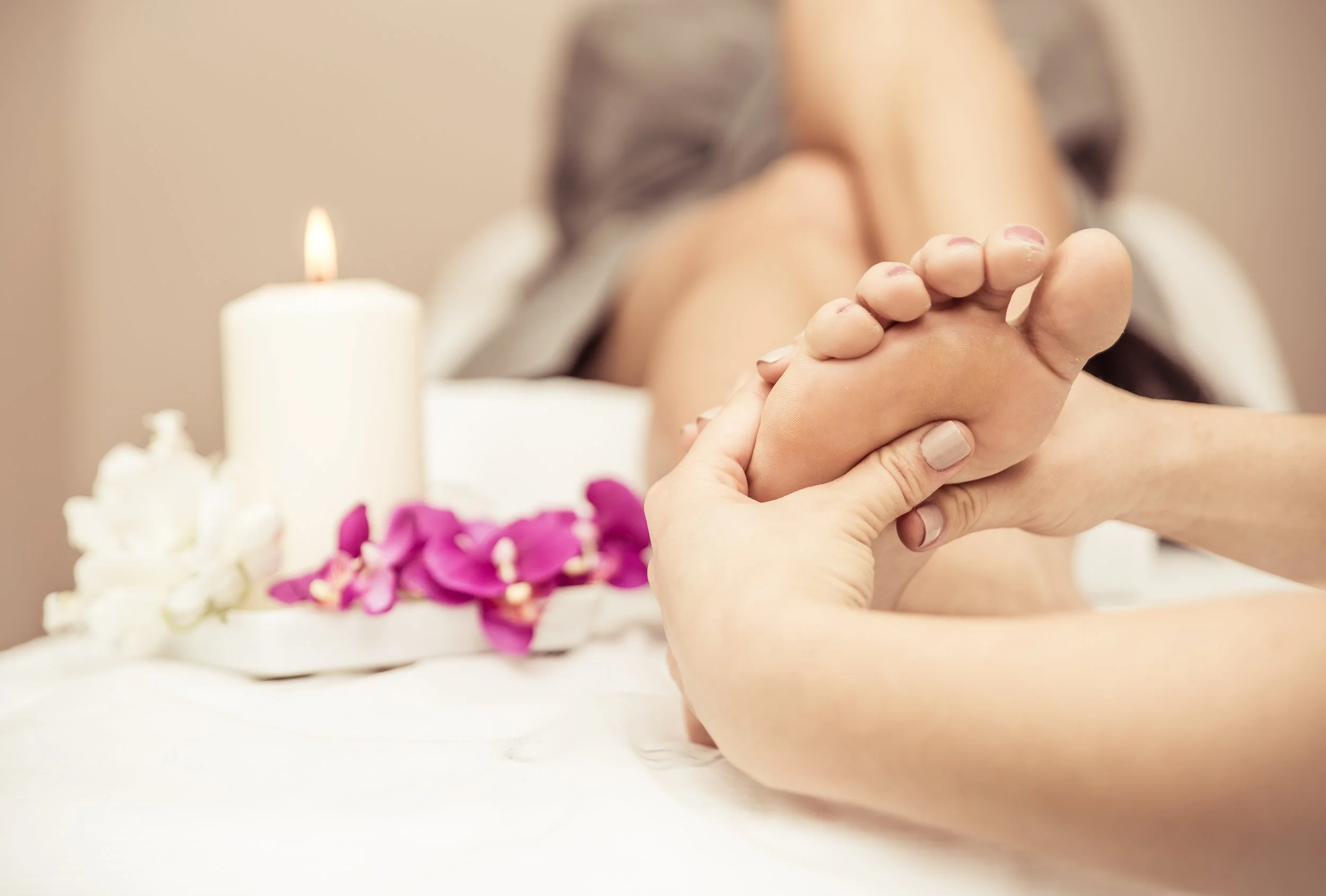
Reflexology can treat problem areas by working on pressure points on the feet. A full reflexology treatment will aid the body's own healing mechanism and leave you feeling relaxed and calm.There is evidence that a kind of foot therapy was practised in ancient China, Egypt and in North American Tribes, although the true origin of Reflexology remains uncertain. Several books were published on foot zone therapy during the 17th and the 20th century. The underlying theory of Reflexology tells us that certain reflex points on the feet correspond to certain parts of the body.
Sound therapy can help prevent stress from becoming prolonged and chronic by helping the individual to relax and let go, as well as bringing the body back to a healthy vibrational state.
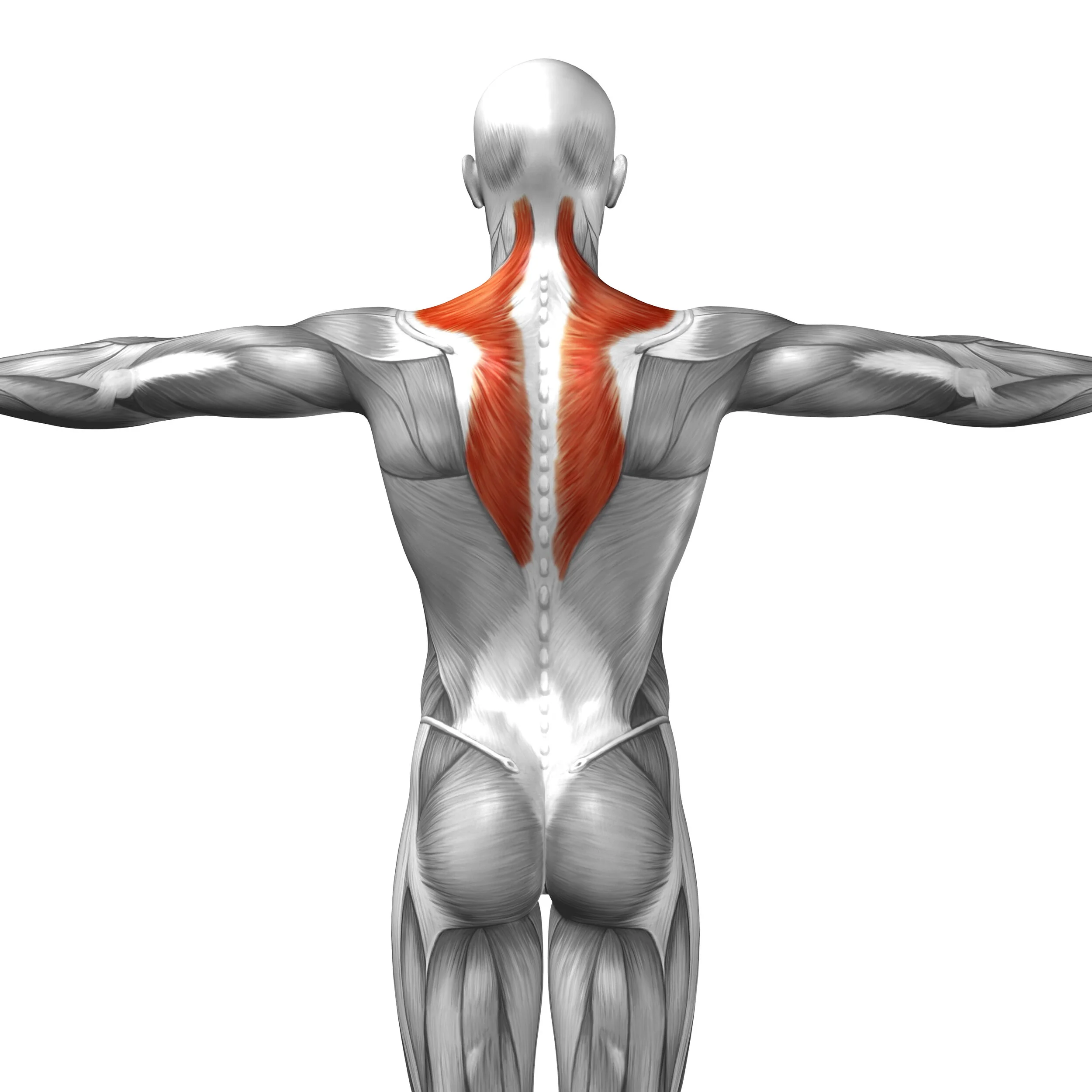
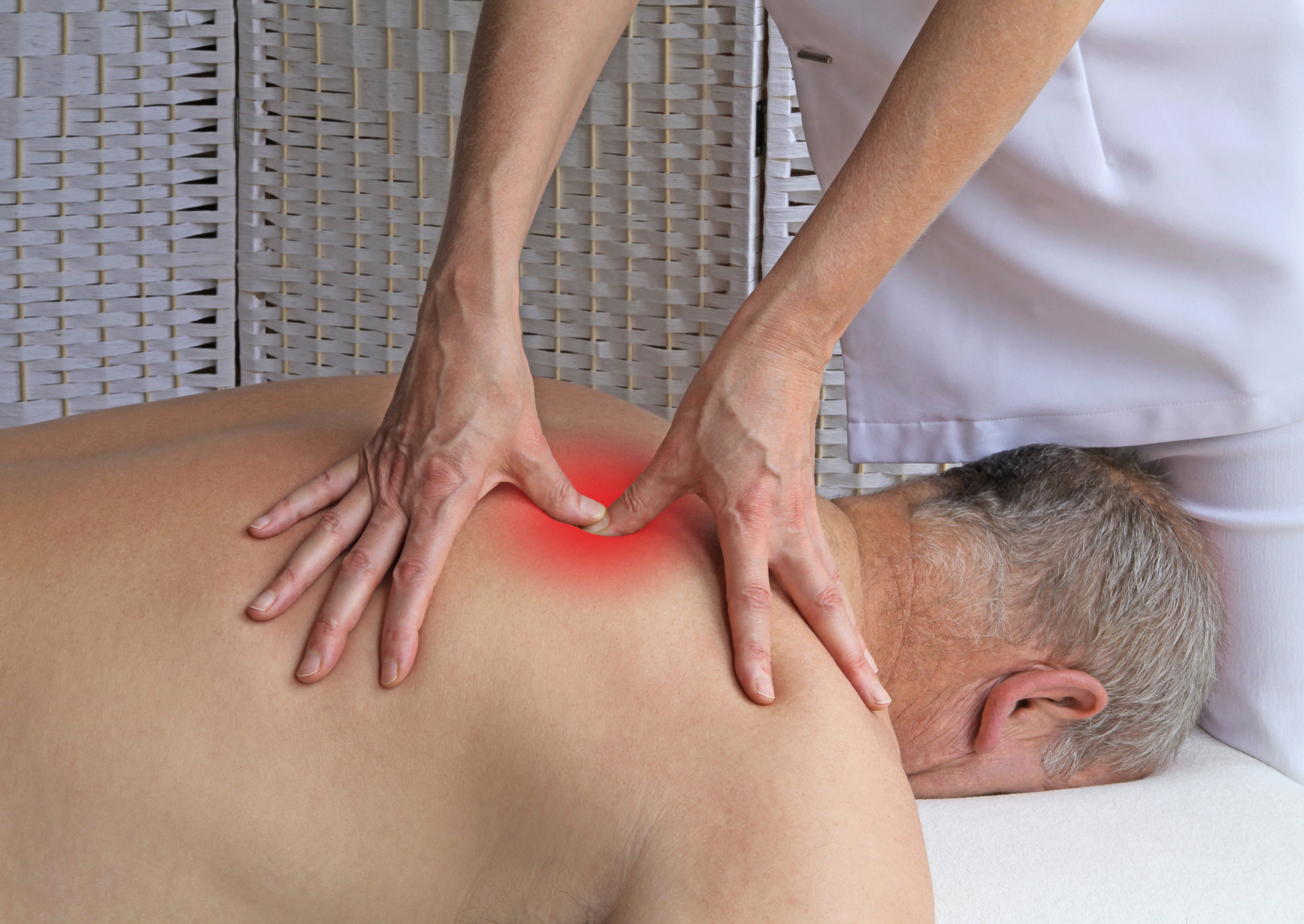
The number one cause is, as can be expected, muscular overload. Muscular overload is not just the physical strain the muscle is put under, but also the degree of strain placed on the neuromuscular control mechanism. The latter being the weak link in the normal function of the muscle. A malfunction in the neuromuscular system is the primary cause of the development of muscle knots.
Knots are also medically known as “myofascial trigger points”. The question we all want to ask is: how do they get there? Several theories have been put forth as to why they develop, but as the years have gone by researcher seem to have agreed on an explanation.
Back pain, although not usually a sign of a more serious condition, can be very disruptive to your daily routine. In the majority of cases, acute back pain will improve after a couple of weeks or months. However, in a few cases the back pain becomes chronic or it returns with regular intervals.
Dr Sarno is an American Professor of Rehabilitation Medicine who has published several best selling books on the subject, such as: Healing Back Pain: The Mind-Body Connection and Mind Over Back Pain. He developed the theory of there being a psychological and emotional basis for back pain and symptoms, after studying the behaviour of his own patients. The theory, also called TMS (tension myoneural syndrome), is based on the belief that it is a psychosomatic illness which is causing chronic back, neck, and limb pain, which is not relieved by standard medical treatments. Although his theory has yet to be accepted by mainstream medicine, he has successfully treated and cured thousands of patients based on his theory.
Neck pain is fairly common, but can appear for many different reasons. This article will take a brief look at the most common causes of neck pain and ways to treat and prevent this problem.
Neck pain is not usually something to be worried about, as it it rarely a sign of a serious illness. It can be caused by sleeping in a bad position, holding the neck still for a long period of time (this can happen when sitting in front of a computer) or putting excessive strain on the neck muscles due to bad posture. Stress and anxiety can also cause the muscles in the neck to tense up leading to neck pain.
Firstly, start treating muscle pain and knots early, either by seeing a massage therapist or by treating it at home.
Heat:
Tight muscles usually have compromised circulation, which means that a little less blood, with it's nutrients and oxygen, reaches the area. It also means that the lymphatic system does not remove waste products from the area as well as it should do. By applying heat to the area, the circulation is improved, speeding up healing time
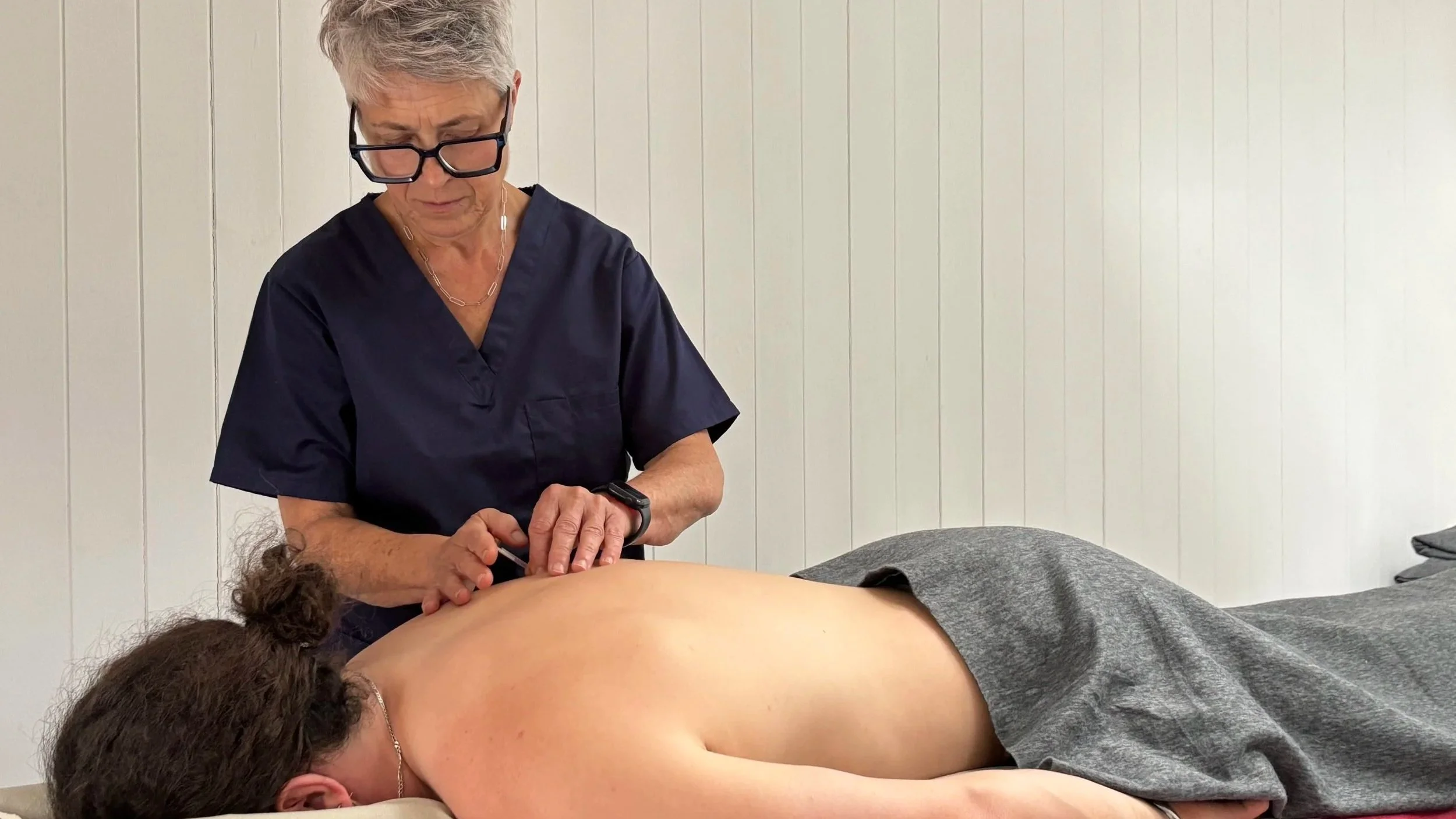
Dry needling is used to treat muscle knots or trigger points as they are also known. Although dry needling is similar to traditional acupuncture, it differs in that it treats the muscle pain directly and is not based on traditional Chinese medicine. Dry needling is also known as medical acupuncture, as the basis of this therapy is derived and explained by western neuroanatomy and modern scientific study of the musculo-skeletal and nervous systems.
If you are an arthritis sufferer you may be wondering whether massage is a suitable therapy to relieve some of the symptoms of your condition. Thankfully, several recent studies have looked at the effects of massage for arthritis, and we now have a better understanding of whether and how massage works for the symptoms of arthritis.
High blood pressure or hypertension is a fairly common and serious condition. It occurs when the force with which blood is pushed against the walls of the arteries is too high. Blood pressure too high is defined as a reading above 140/90 mm Hg. 140mm Hg being the force with which the heart pumps the blood into the arteries, and 90 mm Hg being the force with which the blood travels in between beats or when the heart is at rest. High blood pressure can go unnoticed for years, as it has few symptoms, however it does increase the risk of heart disease and strokes.
Complementary therapy is also known as alternative therapy, alternative medicine, holistic therapy and traditional medicine. A wide variety of treatments fall under this category of "complementary therapy", with each treatment has it's own unique theory supporting it.
Trigger points can cause a whole host of symptoms such as headaches, neck and jaw pain, low back pain, numbness, tingling or weakness. However, the cause of these symptoms, the trigger point, is usually far removed from the symptom's location. Trigger points cause pain in a distant location, just as the trigger of a gun sends out a bullet to a distant location causing pain when it is pulled.
Mesotherapy is a minimally invasive treatment that delivers carefully selected nutrients into the skin through a series of superfine micro-injections. Homeopathic mesotherapy combines this technique with bioregulatory and homeopathic preparations, creating a gentle yet highly effective approach to skin rejuvenation and overall wellbeing.